


As people age, their balance and joint movement sense can begin to decline. Poor balance, falls and stumbles are among the most common concerns for older people. Every third person aged 60 and over who lives in the community falls at home each year in India. Falls are a leading cause of injury-related prolonged hospitalisations, fractures such as broken hips and ankles, head injuries, spinal cord injuries, loss of mobility and independence, reduced quality of life, and death.
What Causes Falls?
Find your enemy, as they say. Some causes are predictable and preventable.
- Health Factors: Severe health conditions and reduced mental alertness, loss of muscle mass, reduced grip strength and balance, mobility problems, slower reflexes, muscle weakness, poor balance and poor posture.
- Social and Economic Factors: Lack of, or limited, social support or connections.
- Environmental Factors (Indoor): Tripping hazards such as clutter and inadequate lighting.
- Environmental Factors (Outdoor): Uneven footpaths or pathways, steps without handrails or edge markings, building design or maintenance issues, and a lack of accessible, safe housing and transportation.
Tips to Control Falls at Home
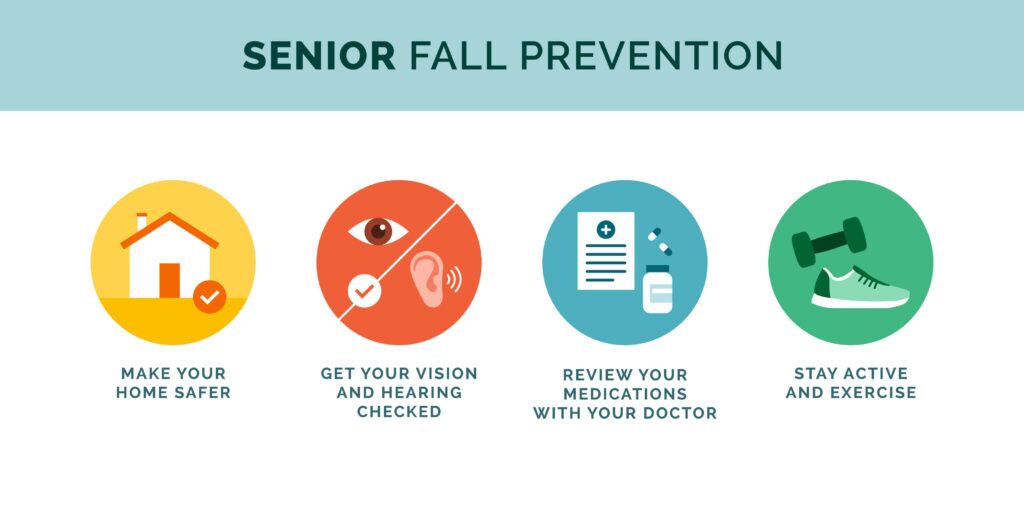
1. Keep Your Body Active
- Get regular exercise, especially walking.
- Do exercises to strengthen your muscles.
- Aim for 5–6 hours per week of moderate to vigorous-intensity aerobic physical activity.
- Do a variety of activities that improve strength and balance, such as lifting light weights and tai chi, endurance activities such as walking and dancing, and flexibility activities such as tai chi and stretching.
- Contact a physiotherapist to find the best type of exercise program for you.
2. Make Your Home Safer
- Wear shoes with non-skid soles.
- Use night lights in your bedroom, bathroom, hallways and stairways.
- Remove throw rugs or fasten them securely to the floor with carpet tape.
- Tack down carpet edges.
- Have grab rails installed in your bathtub, shower and toilet areas.
- Have handrails installed on both sides of stairways.
3. Have Regular Check-Ups
- Have your vision checked every year for changes, cataracts, glaucoma and other eye problems.
- Have your hearing checked every two years.
- See your doctor straight away if you feel dizzy, weak or unsteady on your feet, feel confused, or experience a fall.
- If your doctor recommends using a cane or walker, learn how to use it correctly and use it consistently.
- Don’t smoke.
- Limit your alcohol intake to two drinks or less per day.
FAQs
Q1 – What Should I Do if I Fall at Home?
First, remain calm and try not to panic. Check yourself for any injuries. If you are injured, call for medical assistance. If you are not injured and feel able to move safely, use the correct method to get up by rolling onto one side before gradually moving into a supported position.
Q2 – What Are the Three Types of Falls?
Falls are generally classified into three categories:
- Accidental Fall: Slipping in the bathroom or on stairs, accidents, and similar incidents.
- Unexpected Physiological Fall: Fainting, seizures, dizziness, and similar events.
- Expected Physiological Fall: Recurrent falls, high fall risk activities, and similar situations.
Q3 – Where Do Most Falls Occur in the Home?
Most falls occur in areas such as bathrooms, hallways and stairs, or where there are changes in elevation, slippery surfaces or limited space to walk.
Q4 – What Causes Falling Down?
The exact cause of a fall can vary and may involve multiple factors, including problems with balance and walking, muscle weakness, environmental hazards and a person’s overall medical condition.
Q5 – What Should You Do Immediately After a Fall?
Immediately check for pain and any injuries that may have occurred as a result of the fall.
Q6 – What Should You Look for After a Fall?
Look for any signs of injury and seek assistance if needed. If you are able to move safely, use a stable object for support and avoid standing too quickly.
Q7 – How Long Will I Be Sore After a Fall?
Soreness can vary depending on the type and severity of the injury caused by the fall.
Q8 – Should I Go to the Doctor After a Fall?
It is important to seek medical advice after a fall, particularly if you have pain, dizziness, swelling, bruising, difficulty moving or other concerning symptoms. A medical assessment can help identify injuries and ensure appropriate treatment is provided.
Q9 – Why Do Elderly People Die After a Fall?
Older people can experience serious complications following a fall, including internal bleeding, head trauma, major fractures and loss of mobility. These injuries may contribute to further health complications, particularly in people with existing medical conditions.
Q10 – What Should You Watch for After an Elderly Person Falls?
First, check the person’s level of consciousness and look for signs of injury. If possible, check for symptoms such as pain, bruising, swelling, confusion, dizziness or unusual behaviour. Medical attention should be sought if there are any concerns about the person’s condition.
Q11 – What Should You Do When an Elderly Person Falls and Hits Their Head?
Seek medical attention to ensure there has been no serious head injury or internal damage. Monitor the person closely for symptoms such as confusion, dizziness, headache, vomiting, drowsiness or changes in behaviour.
Q12 – Is Falling a Sign of Dementia?
Frequent falls can occur in people with dementia, but falls alone are not a diagnostic criterion for dementia. Repeated falls can have many possible causes and should be discussed with a healthcare professional.
Q13 – How Do You Help a Person Get Up After a Fall?
First, check the person for injuries. If they are not injured and it is safe for them to move, help them roll onto one side and then move onto their hands and knees. Provide a sturdy object, such as a stable chair, for support. They can then bring one foot forward into a stable position and slowly push upwards while using the support to return to a standing position.