Your Trusted Partner in Healthcare, Mobility & Independence
 - We’re Here to Help!

Author: danpoole

A Simple Guide to Buying Assistive Technology with NDIS Funding

The right equipment can make a significant difference to everyday independence, safety and comfort. For NDIS participants, assistive technology can include everything from simple daily living aids through to mobility equipment, bathroom and toileting products, pressure care solutions and specialised equipment.

Understanding how to purchase these products using NDIS funding can sometimes feel complicated, particularly if you are new to the NDIS or unsure how your funding is managed.

At Independence Medical Group (IMG), we aim to make the process as straightforward as possible.

What Is Assistive Technology?

Assistive technology is equipment or devices designed to help a person perform tasks that may otherwise be difficult because of their disability.

Depending on an individual’s needs, this may include products such as:

  • Mobility aids and walkers
  • Wheelchairs
  • Mobility scooters
  • Shower chairs and bathroom aids
  • Toileting equipment
  • Daily living aids
  • Pressure care products and cushions
  • Ramps and access equipment
  • Lift recliner chairs
  • Bedroom and positioning equipment
  • Rehabilitation and therapy products

The important thing is that the equipment must be suitable for your individual needs and meet the requirements of your NDIS plan.

Young blond pretty woman in casualwear looking at her disable friend in wheelchair while both discussing working moments in domestic room

Check Your NDIS Plan Before Purchasing

Before purchasing equipment using NDIS funding, it is important to check that you have appropriate funding available and that the product is considered an eligible NDIS support.

Different types of assistive technology may also have different requirements. Some products can be purchased relatively simply, while more specialised or higher-cost equipment may require supporting documentation, professional advice, assessment or approval.

If you are uncertain, speak with your plan manager, support coordinator, allied health professional or NDIS contact before making a purchase.

How Is Your NDIS Funding Managed?

How equipment is purchased and paid for will depend largely on how your NDIS funding is managed.

Self-Managed

If you self-manage your NDIS funding, you have greater control over purchasing and paying for your supports.

Depending on your funding arrangements, you may purchase eligible equipment and then submit the required information through the NDIS participant portal or app.

Keeping invoices, receipts and other relevant documentation is important when managing your own NDIS purchases.

Plan Managed

If your funding is plan managed, your plan manager handles payments and financial administration on your behalf.

When purchasing equipment, an invoice can generally be provided to your plan manager for processing. Your plan manager will then arrange payment using the appropriate funding within your NDIS plan.

NDIA Managed

If your funding is NDIA managed, purchases must generally be made through registered NDIS providers.

As a registered NDIS provider, Independence Medical Group can assist eligible NDIA-managed participants with equipment purchases and the appropriate payment process.

Choosing Equipment That Is Right for You

Price should not be the only consideration when selecting assistive technology.

The equipment needs to be appropriate for your individual circumstances, environment and abilities. Something as simple as the height of a chair, the width of a mobility aid or the configuration of bathroom equipment can make a considerable difference to usability and safety.

For specialised equipment, it may be beneficial to discuss your requirements with an occupational therapist, physiotherapist or other qualified health professional.

Where appropriate, equipment trials can also help determine whether a product is suitable before committing to a purchase.

Purchasing NDIS Equipment Through IMG

Independence Medical Group offers a wide range of healthcare, mobility and daily living products that may be suitable for NDIS participants.

You can browse products through the IMG website, add the equipment you require to your cart and proceed through the checkout.

For applicable NDIS orders, you can select the NDIS – Pay Later option. No payment is taken when the order is initially submitted. Our team can then review the order with you and confirm how your funding is managed before arranging the appropriate invoicing or payment process.

This helps remove some of the uncertainty around purchasing equipment while ensuring the correct process is followed for your funding arrangement.

Need Help With an NDIS Equipment Purchase?

You don’t need to navigate the process alone.

Whether you are self-managed, plan managed, NDIA managed or purchasing on behalf of an NDIS participant, the Independence Medical Group team can help you understand the next steps when ordering equipment.

Browse our range of healthcare and assistive technology products online or visit our NDIS information page to learn more about purchasing equipment using NDIS funding.

How to get compression products

What should you do when you start experiencing the first signs of venous disease or after you have been diagnosed? Follow these three steps to get a compression product that best suits your needs.

Most medical compression products require either a medical prescription or a professional fitting. It is recommended that you see your doctor, who can provide advice and, where appropriate, a prescription for the correct compression socks or stockings for your needs.

Prescriptive Products

1. Get a Prescription

  • See a doctor if you are experiencing pain, swelling, varicose veins, spider veins or other leg symptoms, as these may be signs of a venous disorder. Your doctor may refer you to a specialist in venous diseases, such as a phlebologist, for a more detailed examination.
  • A diagnosis is usually painless and low-risk and may involve methods such as a visual and physical examination or an ultrasound.
  • Your doctor may provide a prescription outlining specific therapy measures. The treatment required will vary depending on the severity of your individual needs and may include compression products.

2. Get Professionally Fitted

  • Visit IMG to have your compression product professionally fitted to your individual needs. The fitter will take specific measurements of your leg or arm, depending on the type of compression product required.

3. Order Your Compression Products

  • Based on your measurements and individual needs, IMG will recommend a suitable product for you. If the required product is not currently in stock, it can be ordered for you.

Non-Prescriptive Products

You can also buy some compression stockings without a prescription, although seeking professional or medical advice is recommended.

18–21 mmHg stockings are often worn for general wellbeing purposes. Even if you do not have a predisposition to venous problems or any specific symptoms, compression socks and stockings may be worn if they are comfortable and suitable for you.

Compression garments can help support circulation and may help alleviate symptoms such as heavy legs. They may also improve overall quality of life.

Fall At Home: A Serious Concern for Elderly

As people age, their balance and joint movement sense can begin to decline. Poor balance, falls and stumbles are among the most common concerns for older people. Every third person aged 60 and over who lives in the community falls at home each year in India. Falls are a leading cause of injury-related prolonged hospitalisations, fractures such as broken hips and ankles, head injuries, spinal cord injuries, loss of mobility and independence, reduced quality of life, and death.

What Causes Falls?

Find your enemy, as they say. Some causes are predictable and preventable.

  • Health Factors: Severe health conditions and reduced mental alertness, loss of muscle mass, reduced grip strength and balance, mobility problems, slower reflexes, muscle weakness, poor balance and poor posture.
  • Social and Economic Factors: Lack of, or limited, social support or connections.
  • Environmental Factors (Indoor): Tripping hazards such as clutter and inadequate lighting.
  • Environmental Factors (Outdoor): Uneven footpaths or pathways, steps without handrails or edge markings, building design or maintenance issues, and a lack of accessible, safe housing and transportation.

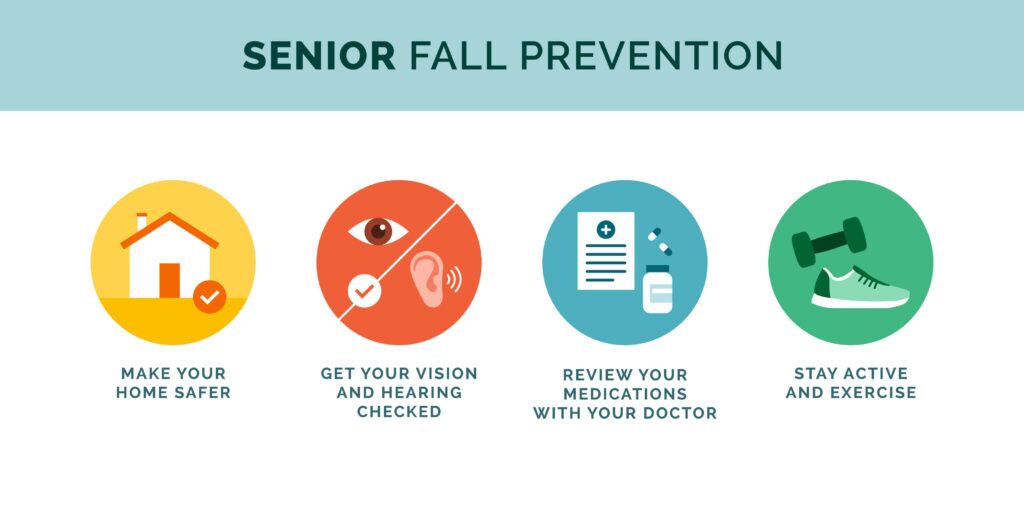
Tips to Control Falls at Home

1. Keep Your Body Active

  • Get regular exercise, especially walking.
  • Do exercises to strengthen your muscles.
  • Aim for 5–6 hours per week of moderate to vigorous-intensity aerobic physical activity.
  • Do a variety of activities that improve strength and balance, such as lifting light weights and tai chi, endurance activities such as walking and dancing, and flexibility activities such as tai chi and stretching.
  • Contact a physiotherapist to find the best type of exercise program for you.

2. Make Your Home Safer

  • Wear shoes with non-skid soles.
  • Use night lights in your bedroom, bathroom, hallways and stairways.
  • Remove throw rugs or fasten them securely to the floor with carpet tape.
  • Tack down carpet edges.
  • Have grab rails installed in your bathtub, shower and toilet areas.
  • Have handrails installed on both sides of stairways.

3. Have Regular Check-Ups

  • Have your vision checked every year for changes, cataracts, glaucoma and other eye problems.
  • Have your hearing checked every two years.
  • See your doctor straight away if you feel dizzy, weak or unsteady on your feet, feel confused, or experience a fall.
  • If your doctor recommends using a cane or walker, learn how to use it correctly and use it consistently.
  • Don’t smoke.
  • Limit your alcohol intake to two drinks or less per day.

FAQs

Q1 – What Should I Do if I Fall at Home?

First, remain calm and try not to panic. Check yourself for any injuries. If you are injured, call for medical assistance. If you are not injured and feel able to move safely, use the correct method to get up by rolling onto one side before gradually moving into a supported position.

Q2 – What Are the Three Types of Falls?

Falls are generally classified into three categories:

  1. Accidental Fall: Slipping in the bathroom or on stairs, accidents, and similar incidents.
  2. Unexpected Physiological Fall: Fainting, seizures, dizziness, and similar events.
  3. Expected Physiological Fall: Recurrent falls, high fall risk activities, and similar situations.

Q3 – Where Do Most Falls Occur in the Home?

Most falls occur in areas such as bathrooms, hallways and stairs, or where there are changes in elevation, slippery surfaces or limited space to walk.

Q4 – What Causes Falling Down?

The exact cause of a fall can vary and may involve multiple factors, including problems with balance and walking, muscle weakness, environmental hazards and a person’s overall medical condition.

Q5 – What Should You Do Immediately After a Fall?

Immediately check for pain and any injuries that may have occurred as a result of the fall.

Q6 – What Should You Look for After a Fall?

Look for any signs of injury and seek assistance if needed. If you are able to move safely, use a stable object for support and avoid standing too quickly.

Q7 – How Long Will I Be Sore After a Fall?

Soreness can vary depending on the type and severity of the injury caused by the fall.

Q8 – Should I Go to the Doctor After a Fall?

It is important to seek medical advice after a fall, particularly if you have pain, dizziness, swelling, bruising, difficulty moving or other concerning symptoms. A medical assessment can help identify injuries and ensure appropriate treatment is provided.

Q9 – Why Do Elderly People Die After a Fall?

Older people can experience serious complications following a fall, including internal bleeding, head trauma, major fractures and loss of mobility. These injuries may contribute to further health complications, particularly in people with existing medical conditions.

Q10 – What Should You Watch for After an Elderly Person Falls?

First, check the person’s level of consciousness and look for signs of injury. If possible, check for symptoms such as pain, bruising, swelling, confusion, dizziness or unusual behaviour. Medical attention should be sought if there are any concerns about the person’s condition.

Q11 – What Should You Do When an Elderly Person Falls and Hits Their Head?

Seek medical attention to ensure there has been no serious head injury or internal damage. Monitor the person closely for symptoms such as confusion, dizziness, headache, vomiting, drowsiness or changes in behaviour.

Q12 – Is Falling a Sign of Dementia?

Frequent falls can occur in people with dementia, but falls alone are not a diagnostic criterion for dementia. Repeated falls can have many possible causes and should be discussed with a healthcare professional.

Q13 – How Do You Help a Person Get Up After a Fall?

First, check the person for injuries. If they are not injured and it is safe for them to move, help them roll onto one side and then move onto their hands and knees. Provide a sturdy object, such as a stable chair, for support. They can then bring one foot forward into a stable position and slowly push upwards while using the support to return to a standing position.

Accessing Subsidies for Medical Aids in Australia

Navigating the healthcare system can often feel overwhelming, particularly when it comes to accessing assistance for medical aids in Australia. With the rising costs of healthcare, many individuals are seeking financial support to help alleviate some of these burdens. Thankfully, various funding options are available to assist those in need. In this post, we will explore the types of subsidies available, eligibility requirements, and practical steps to access these resources.

Medical Aids Funding Options

In Australia, medical aids can include a wide range of equipment and devices, such as wheelchairs, hearing aids, and mobility aids. Several funding options are available to help residents manage the costs associated with these necessary items. Key funding programs include the National Disability Insurance Scheme (NDIS), the Home and Community Care Program (HACC), and private health insurance.

  1. National Disability Insurance Scheme (NDIS): This federal program supports individuals with permanent and significant disabilities. NDIS participants can receive funding for essential medical aids that help improve their quality of life. To access funds, individuals must undergo an assessment to determine their needs, which may include a variety of supports, including assistive technology.
  2. Home and Community Care Program (HACC): HACC assists older Australians and people with disabilities to maintain their independence at home. This program provides a range of supports, including the provision of medical aids. Eligibility typically involves a thorough assessment by healthcare professionals, considering one’s age, circumstances, and needs.
  3. Private Health Insurance: Many Australians opt for private health insurance that may cover some costs associated with medical aids. It is crucial for providers to understand the specific terms and conditions related to coverage for equipment. Checking with your insurance provider for detailed information can help you maximize your benefits.

Understanding the Application Process

Accessing subsidies for medical aids involves several steps. Understanding the application process can greatly improve your chances of receiving the necessary funding.

  1. Gather Documentation: Start by collecting all relevant documentation. This includes medical records, a healthcare provider’s assessment, and any supporting evidence regarding your need for specific medical aids.
  2. Complete the Application: Depending on the funding source, applications may differ. For NDIS, you will fill out an Access Request Form, while HACC requires an assessment application. Take your time to provide accurate and detailed information to support your claim.
  3. Await Assessment: Once you submit your application, it will undergo an assessment process. This may involve interviews, meetings with healthcare professionals, or home visits to evaluate your needs better.
  4. Follow Up: Don’t hesitate to reach out to the agency to check the status of your application. Following up can help ensure timely processing and demonstrate your advocacy for your needs.
Healthcare professional assessing needs for medical aids

Who is Eligible for Mass Equipment to Home?

Eligibility for funding support for medical aids in Australia depends primarily on individual circumstances and healthcare needs. Generally, the following groups may qualify:

  • Individuals with disabilities or ongoing health conditions requiring assistance to perform daily tasks.
  • Older Australians who require mobility aids or healthcare support as part of sustaining their independence.
  • Individuals coming from low-income backgrounds may also receive priority consideration under certain programs.

Specific eligibility requirements can vary widely depending on the funding program, so it’s essential to review the guidelines for each available option.

Types of Medical Aids Covered by Subsidies

Understanding what types of medical aids are covered can streamline your application process. Below are examples of commonly subsidized aids:

  1. Mobility Aids: Wheelchairs, walkers, and scooters are commonly included in subsidy programs. These aids are essential for individuals who have difficulty walking or require assistance with mobility.
  2. Hearing Aids: Many funding options cover the costs associated with acquiring hearing aids. The assessment process typically includes a hearing test, which is a vital criterion for determining the type of aids needed.
  3. Pressure Care Equipment: Subsidy programs often include items such as pressure mattresses and cushions that prevent bed sores and provide comfort for individuals confined to bed.
  4. Home Modifications: Beyond equipment, some subsidies also assist in covering necessary home modifications to ensure a safe living environment for individuals needing medical aids.
Pressure care mattress essential for comfort and support

Making Informed Choices

Accessing subsidies for medical aids requires informed decision-making. Here are practical steps to ensure you choose the best options for your needs.

  1. Consult Healthcare Professionals: Before submitting an application, discuss your requirements with healthcare providers. They can help determine your specific needs and recommend suitable aids.
  2. Research Available Options: Investing time to research the various funding programs available can greatly benefit you. Each program has different eligibility criteria and funding limits, so knowing what you qualify for can save you time and effort.
  3. Connect with Support Services: Consider reaching out to organizations that specialize in disability services or patient advocacy. These organizations can provide valuable guidance, assistance, and resources to help you navigate the process.
  4. Stay Informed: Keep up with changes in legislation or new programs available for medical aids funding. Policies may evolve, and being knowledgeable will help you stay ahead.

By exploring the available funding options and knowing the application process, you can successfully access subsidies for medical aids in Australia. Whether you are a person with a disability, an older Australian, or a caregiver, these supports can significantly enhance your quality of life. For further information, look into the medical aids subsidy options available to ensure you choose the right funding resources for your needs.

Shingles: A Complete Guide

As per a report, an estimated 1 million people in India develop shingles every year. The risk of developing shingles increases with age, and the majority of cases occur in people over the age of 50. Shingles are also more common in people with weakened immune systems, such as those with HIV/AIDS, cancer, or who are taking immunosuppressive medications.

“Shingles is a painful and potentially serious condition that can be caused by the same virus that causes chickenpox”, says Dr. Anthony Fauci, Director of the National Institute of Allergy and Infectious Diseases. Shingles, also known as herpes zoster, is a viral infection caused by the varicella-zoster virus, the same virus that causes chickenpox. It is characterised by a painful rash or blisters on the skin. While there is no cure for shingles, there are treatments available to manage the symptoms, and vaccines can help prevent the condition and its complications.

Causes of Shingles

Shingles occur when the varicella-zoster virus, which remains dormant in the body after a person has had chickenpox, becomes active again. The exact reason why the virus reactivates is not fully understood, but it often happens during periods of weakened immune function or increased stress.

Symptoms of Shingles

The early symptoms of shingles may include fever, chills, headache, fatigue, sensitivity to light, and stomach upset. These are followed by localised symptoms, such as itching, tingling, or burning sensations in a specific skin area. Redness, a raised rash, and fluid-filled blisters then develop in that area. The affected skin can be painful, ranging from mild to severe.

Duration of the Outbreak

The entire course of a shingles outbreak can last three to five weeks. The rash usually goes through several stages, starting with a pre-rash phase characterised by pain and discomfort, followed by the appearance of the rash as a band or patch on one side of the body. The rash then progresses to fluid-filled blisters, which eventually dry out and form scabs before healing completely.

Contagiousness of Shingles

Shingles itself is not contagious, but the varicella-zoster virus can spread from a person with shingles to someone who has never had chickenpox or been vaccinated against it, leading to the development of chickenpox. The virus is transmitted through direct contact with the fluid from the shingles blisters. It is important to keep the rash covered and avoid contact with individuals who are susceptible to chickenpox, such as infants, pregnant women, and those with weakened immune systems.

Diagnosis and Tests

Shingles can be diagnosed based on the characteristic distribution of the rash on the body. In some cases, laboratory tests may be performed using scrapings or swabs of the blister fluid to confirm the presence of the varicella-zoster virus.

Management and Treatment

While there is no cure for shingles, various treatments can help manage the symptoms and reduce complications. Antiviral medications, such as acyclovir, famciclovir, and valacyclovir, are commonly prescribed to alleviate discomfort and speed up the healing process. Over-the-counter pain medications like acetaminophen and ibuprofen can be used to relieve pain. Antibacterial drugs may be prescribed if a bacterial infection develops in the shingles rash. In cases where the eyes or other facial areas are affected, anti-inflammatory medications like prednisone may be prescribed.

Complications of Shingles

One of the most common complications of shingles is postherpetic neuralgia (PHN), which is characterised by persistent nerve pain in the area where the shingles rash occurred. Other complications can include numbness, itching, bacterial infections of the rash, and inflammation of the eyes or ears if the rash is in proximity to these organs.

Prevention of Shingles

Vaccination is an effective way to prevent shingles and its complications. Two vaccines are available: Zostavax and Shingrix. Shingrix is the preferred vaccine recommended by medical experts and has shown to be more than 90% effective in preventing shingles and PHN. It is recommended for individuals aged 50 and older, even if they have had shingles before.

Dosage of Vaccine

Shingrix (recombinant zoster vaccine) 0.5 ml should be administered to adults aged 50 years and older as a two-dose series, 2 to 6 months apart.

Zostavax (zoster vaccine live) 0.65 ml is administered as a single dose in the deltoid region.

Mild side effects were reported in one out of ten people post-immunisation, such as a sore arm with mild to moderate pain, redness, and swelling at the injection site. Some patients also reported feeling tired, muscle pain, headache, shivering, fever, and stomach ache.

The choice of vaccine depends on availability and efficacy. The patient can choose after understanding the pros and cons. Always seek the advice of your treating doctor or healthcare provider for more information.

0
0
Your Cart
Your cart is emptyReturn to Shop